
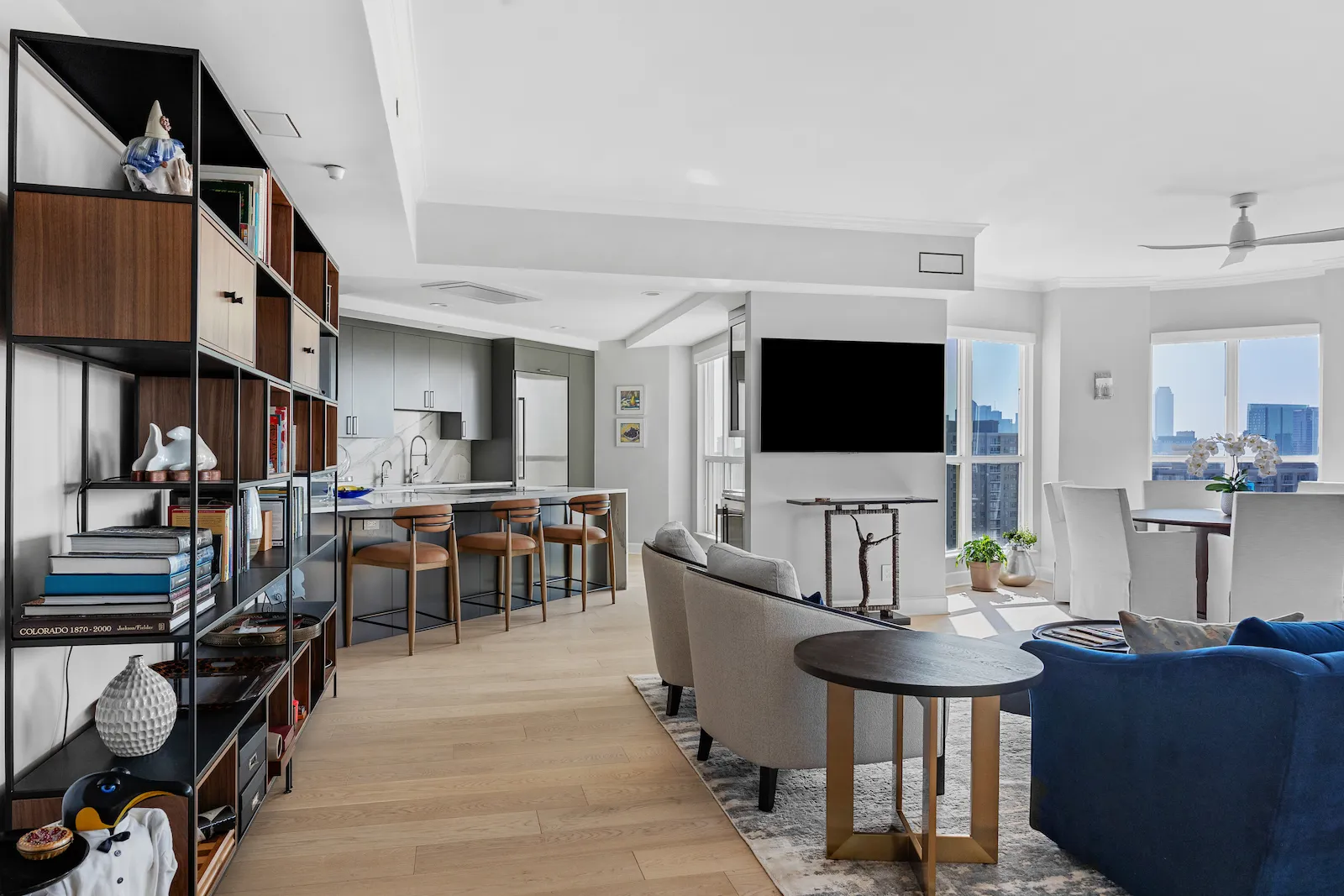
Why Home Remodeling Design Ideas Matter More Than Ever
Home remodeling design ideas have evolved dramatically as we navigate through 2026, reflecting profound shifts in how Americans view and utilize their living spaces. With mortgage rates keeping many homeowners in place longer than anticipated, the focus has shifted from finding a new house to transforming the one they already own into their dream home. The home improvement market has grown to an impressive $614.6 billion, demonstrating that homeowners are ready to invest in thoughtful, value-driven renovations that enhance both daily life and long-term property value.
What makes today’s remodeling landscape different is the emphasis on personalization over trends, functionality over aesthetics alone, and sustainability over disposable design choices. Homeowners are no longer satisfied with cookie-cutter solutions; they want spaces that tell their story, support their lifestyle, and adapt to changing needs over time.
The Shift Toward Personalized Living Spaces
Gone are the days when all-white kitchens and cold gray palettes dominated every home renovation. The latest home remodeling design ideas embrace warmth, character, and individuality. Design experts are witnessing a fundamental change in client requests—people want homes that feel like sanctuaries, not showrooms. This shift manifests in bold color choices, from deep clay and terracotta to rich plums and olive greens, all paired with natural wood tones that bring organic warmth into every room.
The movement toward personalized spaces also reflects how we use our homes differently now. With remote work becoming permanent for many professionals and families prioritizing quality time at home, renovations must serve multiple purposes. A guest bedroom doubles as a home office, living rooms transform for virtual meetings, and kitchens function as command centers for household management. These evolving needs drive innovative design solutions that balance aesthetics with practical functionality.
Understanding Return on Investment for Your Renovation
Smart homeowners approach remodeling with both heart and head, considering emotional satisfaction alongside financial returns. Recent data reveals fascinating ROI patterns that can guide your renovation decisions. Exterior improvements continue to dominate return on investment, with garage door replacements delivering an astonishing 268% ROI—meaning you could recoup nearly three times your investment when selling your home. Steel entry door replacements follow closely at 216% ROI, while manufactured stone veneer additions return 208%.
Interior projects offer solid returns as well, particularly in key areas. Minor kitchen remodels achieve approximately 113% ROI, making them one of the smartest interior investments. Bathroom renovations return around 70-80% of costs, while hardwood floor refinishing can deliver up to 147% ROI. Understanding these numbers helps prioritize projects that deliver both immediate enjoyment and long-term financial benefits, ensuring your remodeling budget works harder for you.
Kitchen Remodeling Design Ideas: The Heart of Your Home
Kitchen remodeling consistently ranks as the most requested and highest-value home improvement project, and 2026 brings exciting new approaches to this essential space. Beyond mere cooking areas, modern kitchens serve as gathering spots, workstations, and the emotional center of home life. With 24% of homeowners prioritizing kitchen renovations and average spending ranging from $15,000 to $40,000 depending on scope, understanding current design directions ensures your investment creates lasting value.
The most successful kitchen remodels balance timeless appeal with contemporary conveniences, creating spaces that feel both current and enduring. Whether you’re planning a complete transformation or strategic updates, focusing on layout efficiency, smart storage, and cohesive aesthetics delivers maximum impact.
Modern Kitchen Layouts That Maximize Functionality
Open-concept kitchen designs remain popular, but with important refinements. Rather than completely removing all walls, today’s smartest layouts create defined zones while maintaining visual and physical flow. This approach preserves some separation for noise control and cooking mess containment while keeping the social benefits of open spaces. Kitchen islands have evolved from simple countertop extensions to multifunctional workhorses, incorporating prep sinks, concealed storage, seating areas, and even appliance garages.
For homeowners with space constraints, expanding kitchens into adjacent unused areas—like breakfast nooks or underutilized dining rooms—creates breathing room without costly additions. This strategy often proves more economical than building outward while delivering significant functional improvements. Consider incorporating a beverage station or dedicated coffee bar that connects seamlessly to outdoor entertaining areas, creating natural flow for social gatherings.
Bold Color Trends Transforming Kitchen Aesthetics
The era of exclusively white cabinets has given way to rich, dimensional color palettes that add personality and warmth. Cherry wood cabinetry is experiencing a renaissance, offering reddish undertones that bring organic richness without the premium price of walnut. When executed in modern profiles like slab or slim shaker styles, cherry feels fresh and contemporary rather than dated.
Two-tone cabinet treatments are gaining momentum, pairing darker lower cabinets with lighter uppers to create visual interest and perceived height. Deep navy, forest green, and even sophisticated black cabinets anchor kitchens while allowing white or natural wood upper cabinets to brighten the space. This approach also proves practical—darker lower cabinets hide wear better in high-traffic areas.
Smart Appliances and Technology Integration
Technology integration has moved from luxury to expectation in kitchen remodeling design ideas. Smart refrigerators with touchscreen interfaces, voice-controlled ovens, and dishwashers that optimize water and energy usage based on load sensors exemplify this shift. However, the most successful implementations keep technology helpful rather than intrusive, focusing on genuine convenience improvements.
Hidden charging stations built into islands or cabinet banks keep devices powered without cluttering countertops. Motion-activated faucets and lighting add convenience while promoting hygiene and energy efficiency. Smart ventilation systems that automatically adjust based on cooking activity ensure kitchens remain comfortable without manual intervention. The key is choosing technology that enhances your actual cooking and living patterns rather than adding complexity.
Budget-Friendly Kitchen Updates Under $5,000
Not every kitchen transformation requires gut renovation. Strategic, budget-conscious updates can dramatically refresh your space for under $5,000. Cabinet painting or refacing delivers new aesthetics at roughly 30% of replacement costs—a professionally painted cabinet job typically runs $3,000-$5,000 versus $15,000+ for new custom cabinetry.
Updating hardware creates instant visual impact for minimal investment. Swapping dated knobs and pulls for contemporary matte black, brass, or mixed-metal options costs just $200-$500 but changes the entire feel. Adding a tile backsplash introduces color, pattern, and protection for $800-$2,000 in materials and labor. Peel-and-stick options make this even more accessible for DIY enthusiasts at under $300. Finally, replacing a few key light fixtures—particularly pendant lighting over islands—provides modern flair for $300-$800, instantly updating the kitchen’s character.
Bathroom Remodeling Design Ideas: Creating Your Personal Spa Retreat
Bathroom remodeling has evolved from purely functional upgrades to wellness-oriented transformations that prioritize self-care and daily restoration. With bathroom renovations ranking among the top homeowner priorities and delivering solid ROI of 70-80%, these spaces warrant thoughtful design investment. The trend toward spa-inspired bathrooms reflects our collective need for home sanctuaries—peaceful retreats where we can decompress and recharge.
Modern bathroom design balances luxury with practicality, incorporating high-end finishes and features that enhance daily routines while maintaining reasonable budgets. Whether renovating a primary suite or updating a powder room, current design approaches emphasize clean lines, organic materials, and wellness-focused amenities.
Wellness-Focused Bathroom Features
The wellness revolution has arrived in bathroom design, with homeowners increasingly requesting features that support mental and physical health. Steam showers with aromatherapy capabilities create immersive relaxation experiences without requiring extensive square footage. These systems typically add $2,500-$8,000 to bathroom renovations but transform ordinary showers into restorative environments.
Freestanding soaking tubs serve as sculptural focal points while providing therapeutic benefits. Japanese-inspired deep soaking tubs, in particular, offer space-efficient luxury that fits comfortably in moderately sized bathrooms. Pairing these with ambient dimmable lighting, heated floors, and natural stone or wood-look tile creates cohesive spa atmospheres.
Infrared saunas and cold plunge integration represent the cutting edge of home wellness, with more homeowners dedicating bathroom or adjacent space to these features. While representing larger investments ($3,000-$10,000+), these additions appeal to health-conscious buyers and deliver daily quality-of-life benefits.
Space-Maximizing Solutions for Small Bathrooms
Small bathroom renovations require clever design solutions that expand perceived space without moving walls. Floating vanities create visual airiness by exposing floor area, making rooms feel substantially larger. These wall-mounted units typically cost $500-$2,000 and offer bonus storage while achieving modern aesthetics.
Frameless glass shower enclosures eliminate visual barriers that chop up small bathrooms, allowing the eye to travel uninterrupted through the space. Combined with large-format tiles that minimize grout lines, this approach creates surprising spaciousness in compact footprints. Consider extending the same tile from floors into shower areas for additional continuity.
Strategic mirror placement amplifies both space and light. Full-wall mirrors or oversized medicine cabinets with mirrored fronts bounce light while providing practical functionality. Pair these with skylights or larger windows when structurally feasible to flood bathrooms with natural illumination, further enhancing openness.
Sustainable Fixtures That Save Water and Energy
Eco-conscious bathroom fixtures have progressed far beyond basic low-flow designs, now offering luxury experiences while conserving resources. Smart toilets with optimized flush systems use as little as 0.8 gallons per flush versus traditional 3.5-gallon models, saving thousands of gallons annually. Many include bidet functionality, reducing toilet paper consumption.
Water-sensing faucets prevent waste while improving hygiene, particularly in family bathrooms. Modern versions integrate seamlessly with traditional designs, eliminating the institutional appearance of early motion-activated fixtures. Low-flow showerheads now deliver satisfying pressure through air-injection technology, providing excellent experiences while reducing water consumption by 30-40%.
LED vanity lighting consumes 75% less energy than incandescent options while lasting 25 times longer, reducing both utility bills and maintenance. When paired with motion sensors or smart dimmers, these systems maximize efficiency without sacrificing ambiance or functionality.
Living Room and Common Area Design Transformations
Living rooms and shared spaces set the tone for your entire home, making their design particularly important for both daily enjoyment and guest impressions. Current home remodeling design ideas for these areas emphasize flexibility, comfort, and connection—both to nature and to the people who share the space. The most successful common area renovations create environments that adapt easily between quiet family time and lively entertaining.
Open Floor Plans Versus Flexible, Adaptable Spaces
While completely open floor plans dominated the last decade, 2026 brings more nuanced approaches that balance openness with defined spaces. Homeowners are discovering that entirely barrier-free layouts can feel chaotic and lack acoustic privacy. Smart renovations now incorporate flexible divisions—such as sliding barn doors, decorative screens, or strategically placed shelving units—that allow spaces to open or close as needs change.
This hybrid approach works particularly well for homes accommodating remote work. A living area might feature a built-in desk nook that can be screened off during video calls, then opened for family movie nights. Modular furniture arrangements support this flexibility, easily reconfiguring from conversation groupings to entertainment-focused layouts.
Natural Materials and Organic Textures
Biophilic design—incorporating natural elements to strengthen human connections with nature—dominates living space renovations. This manifests through increased use of real wood (particularly in ceiling treatments with exposed beams or wood cladding), natural stone features, and organic textiles. Reclaimed wood accent walls bring character and environmental responsibility, typically costing $5-$15 per square foot installed.
Textured plaster walls replace flat paint, adding dimensional interest that changes with natural light throughout the day. These surfaces create subtle sophistication while proving remarkably durable. Stone feature walls, particularly using stacked or natural-edge stones, anchor living spaces with grounding, earthy presence.
Indoor plants and living walls extend biophilic principles, improving air quality while adding vibrant organic elements. Built-in planters or dedicated green walls require modest investment ($500-$3,000 depending on scale) but deliver outsized aesthetic and wellness impacts.
Lighting Design That Changes Everything
Lighting transformations represent one of the highest-impact, most budget-friendly updates available. Replacing builder-grade fixtures with statement pieces immediately elevates living spaces. Consider mixing lighting sources—ambient ceiling lights, task reading lamps, and accent uplighting—to create layered illumination that adjusts to different activities and moods.
Maximizing natural light through larger or additional windows proves transformative where structurally feasible. Southern and eastern exposures benefit most from expanded glazing, flooding spaces with sunshine that enhances mood and reduces daytime electricity needs. Skylights solve lighting challenges in interior rooms or those with limited exterior walls, bringing surprising brightness to previously dim areas.
Smart lighting systems with programmable scenes allow instant transformation from bright, energizing daytime settings to warm, relaxing evening ambiance. Voice control and smartphone integration add convenience, while motion sensors in less-used areas like hallways prevent energy waste.
Bedroom Remodeling Design Ideas for Ultimate Comfort
Bedrooms have evolved from simple sleeping quarters to multi-functional sanctuaries supporting rest, work, and personal retreat. The best bedroom remodeling design ideas recognize this complexity, creating spaces that promote excellent sleep while accommodating the varied ways we use these private areas. With many professionals working from home at least part-time, bedrooms often pull double duty, requiring thoughtful design that maintains restful atmospheres while supporting productivity.
Multi-Functional Bedroom Spaces
Guest bedroom renovations increasingly emphasize flexibility, incorporating Murphy beds or high-quality sleeper sofas that transform rooms between office and sleeping functions. This approach maximizes square footage utility, particularly in homes where dedicated guest rooms sit empty most of the year. Built-in desk solutions with adequate task lighting and electrical outlets support work needs without compromising the room’s rest-focused design.
Primary bedroom additions or conversions create true retreats. Some homeowners expand into adjacent spaces or convert large walk-in closets into sitting areas with reading nooks. These expansions typically cost $15,000-$40,000 but deliver significant lifestyle improvements and strong resale appeal. Seating areas within primary bedrooms provide peaceful spaces for reading, meditation, or morning coffee without leaving your sanctuary.
Soundproofing and Sleep-Enhancing Features
Sleep quality drives numerous bedroom renovation decisions. Soundproofing improvements—including acoustic insulation in walls, solid-core doors, and weather stripping—dramatically improve rest quality, particularly in urban settings or homes near busy streets. These upgrades cost $2,000-$5,000 for average bedrooms but deliver measurable sleep improvements.
Blackout window treatments go beyond simple curtains, incorporating cellular shades or automated blinds that completely block external light while providing insulation benefits. Smart versions integrate with sleep schedules, automatically closing at bedtime and gradually opening to simulate sunrise.
Climate control focused on sleep optimization includes ceiling fans (which promote air circulation for better rest), programmable thermostats that lower temperatures during sleep hours, and separate zone controls allowing bedroom temperatures independent from the rest of the house. Research consistently shows cooler sleeping environments (65-68°F) improve sleep quality, making these investments practically beneficial.
Outdoor Living Space Design Ideas
Outdoor areas have transitioned from afterthoughts to essential living spaces, with 53% of homeowners prioritizing exterior projects. These extensions of your home provide entertaining venues, relaxation zones, and valuable property enhancements. Well-designed outdoor spaces effectively add livable square footage at a fraction of interior addition costs while delivering impressive ROI—wood decks return 95%, while covered patios and pergolas typically recoup 70-85% of investments.
Extending Your Living Area Beyond Four Walls
Creating genuine outdoor rooms requires thinking beyond simple decks to incorporate the elements that make interior spaces comfortable. Covered structures—whether pergolas, pavilions, or screened porches—extend usability into shoulder seasons and provide shelter from sun and rain. Retractable shading systems offer flexibility, opening for stargazing while protecting from midday heat.
Defined zones within outdoor spaces create purpose and flow. A deck might incorporate separate areas for dining, lounging, and cooking, each with appropriate furniture and lighting. Outdoor rugs, weatherproof cushions, and throw pillows make these spaces feel furnished and intentional rather than temporary.
Fire features—from simple fire pits to elaborate outdoor fireplaces—extend outdoor season usage while creating natural gathering focal points. Gas fire tables offer convenience and clean burning for $500-$2,000, while custom stone fireplaces make dramatic statements at $3,000-$10,000.
Outdoor Kitchens and Entertainment Zones
Outdoor kitchens have evolved from basic grills to fully equipped cooking stations rivaling interior kitchens. Mid-range installations ($8,000-$15,000) typically include built-in grills, side burners, refrigeration, and ample prep space. Luxury versions ($20,000+) add pizza ovens, smokers, and full wet bars.
When planning outdoor kitchens, consider work triangle principles that make interior kitchens efficient. Position grills, prep areas, and refrigeration within easy reach while maintaining comfortable flow. Weather-resistant cabinetry and stainless steel appliances ensure durability, while proper lighting—both task and ambient—supports evening entertaining.
Audio-visual integration brings entertainment outdoors with weatherproof speakers and television mounting options. Many homeowners invest in retractable screens and projectors ($2,000-$5,000) for outdoor movie nights that rival theater experiences.
Year-Round Outdoor Comfort Solutions
Extending outdoor space usability throughout the year requires addressing temperature and weather challenges. Patio heaters, both freestanding and mounted, provide warmth during cool evenings for $150-$1,000 depending on fuel type and coverage area. More permanent solutions like outdoor fireplaces or built-in heating systems cost more initially but integrate seamlessly into landscape design.
Ceiling fans in covered areas provide cooling circulation during warm months while some reversible models push warm air downward during cooler seasons. Misting systems offer cooling in hot, dry climates, reducing ambient temperatures by 20-30 degrees for $300-$2,000 depending on coverage area.
Weatherproof storage solutions keep outdoor spaces organized and protected. Built-in benches with hidden storage compartments, dedicated pool/garden sheds, and weather-resistant cabinets ensure entertaining essentials remain accessible yet protected from elements.
Smart Home Technology Integration
Smart home features have progressed from luxury additions to baseline expectations, with technology integration reshaping home remodeling design ideas across all spaces. However, the most successful implementations prioritize user-friendliness and genuine functionality over gadgetry. The goal should be technology that simplifies daily life rather than complicating it.
Hidden Tech Features That Add Convenience
Concealed technology maintains clean aesthetics while delivering modern functionality. Pop-up charging stations built into kitchen islands or bathroom vanities keep devices powered without cluttering surfaces. These typically add $200-$500 during renovations but eliminate cord chaos and preserve countertop workspace.
In-wall tablet mounts create dedicated smart home control centers without occupying furniture space. Positioned near entry points, these allow quick adjustments to lighting, temperature, and security systems. Hidden audio systems with ceiling or in-wall speakers deliver whole-home music without visible components, costing $2,000-$8,000 professionally installed but providing seamless entertainment.
USB outlets and additional electrical receptacles strategically placed throughout renovated spaces acknowledge our device-dependent reality. Planning adequate power access during remodels prevents future frustration and maintains clean walls without extension cords and power strips.
Energy-Efficient Smart Systems
Smart thermostats represent the gateway to home automation, learning your schedule and preferences while reducing heating and cooling costs by 10-23% annually. Premium models like Nest or Ecobee ($200-$300) integrate with other smart home systems, providing comprehensive climate management.
Automated lighting systems do more than offer voice control—they optimize energy usage by ensuring lights activate only when needed. Occupancy sensors, daylight harvesting (automatically dimming when natural light suffices), and scheduled programming combine to reduce lighting energy consumption by 30-40%. Whole-home systems cost $1,500-$5,000 installed but quickly offset expenses through utility savings.
Smart water monitoring systems detect leaks before they cause major damage while tracking overall consumption. These systems ($300-$800) alert homeowners to unusual usage patterns, potentially preventing thousands in water damage while promoting conservation.
Budget-Friendly Home Remodeling Design Ideas
Meaningful renovations don’t require unlimited budgets. Strategic, budget-conscious home remodeling design ideas deliver impressive transformations by focusing on high-impact changes rather than comprehensive overhauls. The key is identifying updates that provide maximum visual and functional improvements per dollar spent.
High-Impact Updates Under $1,000
Paint remains the ultimate budget renovation tool, completely transforming spaces for $300-$800 in materials and labor for average-sized rooms. Moving beyond safe beiges to embrace warm terracotta, sage green, or deep blue creates personality and modernity. Accent walls provide color impact without overwhelming spaces or budgets.
Hardware updates throughout kitchens and bathrooms deliver remarkable transformation for $200-$500 total. Replacing dated brass or basic chrome with contemporary matte black, brushed nickel, or mixed metals instantly updates cabinetry and fixtures. This simple swap makes existing furniture feel new.
Light fixture replacements strategically placed in key locations—entryways, dining areas, primary bedrooms—change entire room character for $300-$800. Statement pendants, modern chandeliers, or sculptural sconces elevate spaces from builder-grade to designer-quality.
DIY Projects That Deliver Professional Results
Certain renovation tasks lend themselves particularly well to DIY execution, stretching budgets significantly. Installing backsplashes using peel-and-stick tiles or straightforward subway tile patterns costs under $300 in materials versus $800-$2,000 for professional installation. Numerous online tutorials walk homeowners through the process with confidence.
Building simple floating shelves provides custom storage and display opportunities for $50-$200 in materials depending on size and wood selection. These additions prove especially valuable in kitchens, bathrooms, and home offices where vertical space often goes unused.
Landscaping improvements deliver dramatic curb appeal enhancements for minimal investment when tackled personally. Fresh mulch, seasonal flowers, and strategic pruning cost $100-$400 in materials but significantly improve first impressions. DIY installation saves $500-$1,500 in professional landscaping fees.
Cost-Effective Material Alternatives
Smart material selection stretches renovation budgets without sacrificing aesthetics. Luxury vinyl plank (LVP) flooring mimics hardwood appearance at 40-60% lower costs, typically running $3-$7 per square foot installed versus $8-$15 for hardwood. Quality LVP proves remarkably durable and waterproof, making it ideal for kitchens, bathrooms, and basements.
Laminate countertops have evolved far beyond basic Formica, now offering convincing stone and concrete appearances for $20-$50 per square foot versus $50-$200 for natural stone. When paired with undermount sinks and modern edge profiles, laminate delivers sophisticated aesthetics at accessible prices.
Composite decking materials provide low-maintenance outdoor spaces at moderate prices. While more expensive than pressure-treated lumber initially ($25-$45 per square foot versus $15-$25), composites eliminate ongoing maintenance costs and last 25-30 years without staining or sealing.
Sustainable and Eco-Friendly Remodeling Approaches
Environmental consciousness increasingly drives home remodeling design ideas, with homeowners seeking renovations that minimize ecological impact while creating healthier living environments. Sustainable remodeling encompasses material choices, energy efficiency, and waste reduction—all while maintaining or enhancing aesthetic and functional goals.
Reclaimed and Recycled Materials
Reclaimed wood brings character and environmental responsibility to renovations. Salvaged barn wood, old-growth lumber from deconstructed buildings, and recycled wood composite products reduce demand for new timber harvest while offering unique aesthetics impossible with new materials. Reclaimed flooring typically costs $6-$15 per square foot, comparable to mid-range new hardwood but with far greater character.
Recycled glass countertops and tiles incorporate post-consumer content into beautiful, durable surfaces. These materials cost similarly to mid-range natural stone ($50-$100 per square foot) while diverting waste from landfills. The distinctive appearance—with visible glass fragments suspended in resin or cement—creates conversation-worthy focal points.
Salvaged fixtures and architectural elements from demolition yards or architectural salvage stores provide one-of-a-kind pieces at fraction of new costs. Vintage lighting, doors, windows, and hardware add authentic character while preventing functional items from entering waste streams.
Energy-Efficient Windows and Insulation
Window replacements deliver multiple benefits—improved aesthetics, reduced energy costs, and enhanced comfort. Energy Star certified windows reduce heating and cooling expenses by 12-33% annually while eliminating drafts and condensation issues. While representing significant investment ($300-$1,000 per window installed), energy savings and improved comfort justify costs within 10-15 years.
Upgraded insulation throughout walls, attics, and crawl spaces dramatically improves home performance. Spray foam insulation provides superior air sealing and R-value compared to traditional fiberglass, reducing energy consumption by 40-50% in previously under-insulated homes. Professional installation costs $1.50-$3.50 per square foot but qualifies for energy efficiency tax credits that offset expenses.
High-efficiency HVAC systems paired with proper insulation and air sealing create comfortable, economical homes. Modern heat pump systems provide both heating and cooling at remarkable efficiency, often reducing climate control costs by 30-50% compared to older systems.
Color and Material Trends Shaping 2026 Designs
Understanding current aesthetic directions helps ensure renovations feel contemporary rather than dated. However, the smartest home remodeling design ideas balance trendy elements with timeless foundations, creating spaces that remain appealing for years.
The End of Gray: Warm, Earthy Palettes Take Over
The gray-everything era has definitively ended, replaced by warm, grounding color palettes inspired by nature. Terracotta, clay, rust, and burnt orange bring desert landscape warmth indoors. Olive greens, sage, and forest tones reference botanical elements while providing sophisticated neutrals. Deep plums and muddy blues add richness without the coldness of previous blue-gray trends.
These colors pair beautifully with natural wood tones, which themselves are shifting darker. Walnut, cherry, and other warm-toned woods replace the whitewashed and gray-stained woods of recent years. This combination creates cocooning, comfortable environments that feel restorative rather than clinical.
Importantly, these directions don’t mandate comprehensive color overhauls. Strategic accent walls, updated cabinetry, or new textiles in trending hues freshen spaces without overwhelming budgets or commitment.
Textured Surfaces and Layered Materials
Flat, smooth surfaces are giving way to textural variety that adds dimension and tactile interest. Textured plaster walls, whether Venetian plaster or more rustic applications, create ever-changing surfaces that respond to light throughout the day. Professional application costs $8-$15 per square foot but delivers sophisticated results impossible with paint alone.
Fluted or ribbed elements—in cabinetry, wall panels, or architectural details—add linear rhythm and shadow play. These details work particularly well in bathrooms and kitchens, bringing subtle visual interest without overwhelming clean modern aesthetics.
Mixed material combinations create layered, collected feels. Pairing wood with stone, metal with textiles, and matte with glossy finishes adds complexity and prevents monotony. The key is maintaining color cohesion while varying textures.
Maximizing Storage with Innovative Design Solutions
Storage challenges plague most homes, and smart renovation planning addresses these frustrations head-on. The best storage solutions integrate seamlessly into design rather than appearing as afterthoughts, maintaining aesthetic goals while solving practical problems.
Built-In and Hidden Storage Opportunities
Custom built-in cabinetry maximizes every available inch while creating polished, intentional appearances. Floor-to-ceiling pantries in kitchens, bedroom wall units replacing freestanding furniture, and built-in media centers in living rooms eliminate clutter while showcasing architectural planning.
Window seats with hidden storage underneath serve dual purposes, providing cozy reading nooks while concealing seasonal items, linens, or toys. These additions cost $1,500-$4,000 depending on size and finish but deliver both functionality and charm.
Under-stair storage represents frequently wasted space that renovations can reclaim. Pull-out drawers, cabinet systems, or even small home offices transform awkward voids into valuable real estate. Creative implementations might include wine storage, pet feeding stations, or mudroom-style organization.
Pantries, Mudrooms, and Drop Zones
Walk-in pantries top wish lists for kitchen renovations, and creating these from adjacent closets or underutilized spaces proves worthwhile. Organized pantry systems with adjustable shelving, pull-out baskets, and dedicated zones for different food categories eliminate kitchen counter clutter while simplifying meal preparation.
Mudroom additions or conversions near home entries capture daily chaos—shoes, coats, backpacks, and outdoor gear—preventing its migration throughout the house. Built-in benches with cubbies underneath, wall-mounted hooks, and overhead cabinets provide designated homes for everyone’s belongings. These spaces need not be large; even 4×6-foot areas deliver significant organizational impact.
Drop zones—whether dedicated rooms or defined areas in entries or kitchens—consolidate keys, mail, devices charging, and other daily-use items. Incorporating charging stations, mail sorters, and command centers keeps households running smoothly while maintaining visual order.
Accessibility and Universal Design Considerations
Forward-thinking home remodeling design ideas incorporate accessibility features that support aging in place and accommodate varying abilities. Universal design principles create spaces that function beautifully for everyone regardless of age or physical capability, ensuring homes remain comfortable throughout all life stages.
Future-Proofing Your Home for All Life Stages
Zero-threshold or curbless showers eliminate stepping obstacles, benefiting both mobility-challenged individuals and young children while creating sleek contemporary aesthetics. These installations require careful waterproofing but add minimal cost over traditional shower bases when incorporated during renovations.
Wider doorways and hallways (36 inches minimum versus standard 32 inches) accommodate wheelchairs and walkers while making spaces feel more generous. This consideration costs little during construction phases but proves invaluable if accessibility needs arise.
Lever-style door hardware and faucet handles prove easier to operate than traditional knobs, benefiting arthritic hands and full arms carrying groceries. These fixtures cost comparably to standard options but offer superior functionality.
Main-floor primary suites allow homeowners to age in place without navigating stairs daily. Whether converting existing first-floor space or adding dedicated suites, these accommodations provide long-term flexibility. Accessory dwelling units (ADUs) serve similar purposes, housing aging parents or adult children while maintaining independence for all parties.
Conclusion: Creating Your Dream Home Through Thoughtful Remodeling
The most successful home remodeling design ideas balance personal vision with practical considerations—blending aesthetic preferences with functional needs, immediate enjoyment with long-term value, and current trends with timeless appeal. As we’ve explored throughout this comprehensive guide, 2026 brings exciting opportunities for homeowners ready to transform their spaces into personalized sanctuaries that support evolving lifestyles.
Whether you’re planning a complete home transformation or strategic updates to key areas, prioritizing projects that deliver both immediate quality-of-life improvements and solid returns on investment ensures your remodeling budget works effectively. Remember that successful renovations require thoughtful planning, realistic budgeting (including contingency funds for surprises), and often professional guidance for complex projects.
The home improvement market’s continued growth to $614.6 billion demonstrates that homeowners recognize the value of investing in their current properties rather than searching for perfection elsewhere. Your home can and should evolve with your needs, reflecting your personality while providing the comfort, functionality, and joy you deserve. Start with the projects that matter most to your daily life, then build from there—creating a home that truly feels like yours for years to come.
For comprehensive guidance on project planning and finding qualified contractors, visit the National Association of the Remodeling Industry